





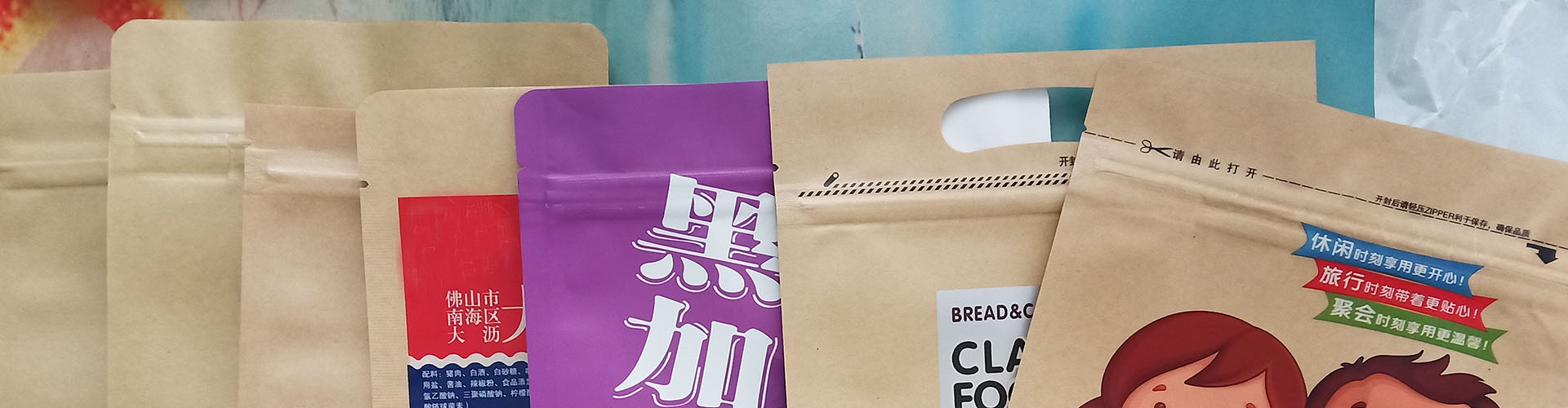
In today's competitive packaging market, product appearance plays a significant role in attracting customers. Whether you work with chipboard box manufacturers, a rigid box manufacturer, or a corrugated box manufacturer, maintaining consistent printing color is essential for brand recognition and customer satisfaction. Even a slight color variation can affect the perceived quality of packaging and damage a company's reputation.
As experienced paper packaging companies and printing and packaging company professionals know, controlling color difference requires a complete quality management system rather than relying solely on visual inspection. This article explains the major causes of color variation in flexible packaging printing and outlines practical solutions to achieve consistent, high-quality results.
Why Color Consistency Matters
Modern brands expect every package to look identical, regardless of production batch. Whether producing luxury rigid boxes, folding cartons, corrugated shipping cartons, or branded wrapping materials, color consistency strengthens brand identity.
Leading box packaging manufacturers, paper box manufacturers, and carton box manufacturers invest heavily in color management because inconsistent printing often leads to customer complaints, product returns, and increased production costs.
1. Select High-Quality Printing Inks
The first step toward reducing color difference begins with ink selection.
Reliable paper packaging manufacturers understand that different ink suppliers may produce slight variations in the same color. Every new ink batch should be tested before production, and standard ink samples should be archived for future comparison.
Professional custom packaging vendors always verify:
- Ink color consistency
- Pigment stability
- Batch-to-batch variation
- Compatibility with printing materials
Using standardized ink systems greatly improves printing consistency.
2. Establish Standard Color Samples
Color references are the foundation of quality control.
Every paper box supplier should maintain approved production samples that have been confirmed by customers. These samples become the official standard during future print runs.
Without standardized samples, operators often rely on visual memory, resulting in inconsistent color reproduction.
Many successful folding carton companies establish dedicated color management departments to preserve approved samples under controlled storage conditions.
3. Improve Prepress Communication
Before printing begins, communication between designers, customers, and production teams is essential.
Companies offering custom box design online should confirm:
- Brand colors
- Pantone references
- Acceptable color tolerances
- Printing materials
- Surface finishing requirements
Good communication minimizes misunderstandings before plates are produced.
4. Maintain Printing Plates Properly
Printing plates gradually wear during production.
Dust, dried ink, or clogged dots can change ink transfer and create visible color differences.
Professional carton companies perform regular maintenance by:
- Cleaning printing plates
- Inspecting dot quality
- Monitoring plate wear
- Replacing damaged cylinders
Routine maintenance helps maintain stable printing quality throughout long production runs.
5. Standardize Ink Mixing Procedures
Color matching is one of the most important skills in flexible packaging printing.
Experienced operators never estimate ink quantities by eye.
Instead, leading custom box suppliers use precise weighing equipment to record every ink formulation.
Best practices include:
- Using digital scales
- Recording ink formulas
- Measuring residual ink accurately
- Comparing mixed colors against approved standards
- Maintaining detailed production records
These procedures make repeat orders much easier to reproduce.
6. Control Ink Viscosity
Ink viscosity directly influences color density.
If viscosity changes during production, the amount of transferred ink also changes, causing noticeable color variation.
Many printing and packaging companies establish viscosity standards for every printing job.
Operators should:
- Measure viscosity before production
- Check viscosity at regular intervals
- Adjust solvent additions carefully
- Record machine speed and temperature
Consistent viscosity ensures stable color reproduction.
7. Keep Doctor Blade Settings Stable
In gravure printing, doctor blades control the amount of ink remaining on the printing cylinder.
Frequent blade movement changes ink transfer, leading to uneven colors across the printed surface.
Professional paper and packaging companies regularly inspect blade pressure and angle to maintain consistent ink layers throughout production.
8. Control Temperature and Humidity
Environmental conditions significantly affect printing performance.
High humidity or excessive dryness changes solvent evaporation speed and ink transfer efficiency.
Most paper packaging manufacturers maintain production environments with relative humidity between 55% and 65%.
Stable environmental conditions improve:
- Ink transfer
- Drying performance
- Registration accuracy
- Overall print quality
9. Choose High-Quality Packaging Materials
Printing quality depends not only on the ink but also on the substrate.
Different papers and films have different surface tensions, which affect ink adhesion.
Whether producing:
- Packing carton boxes
- Luxury rigid gift boxes
- Folding cartons
- Corrugated shipping cartons
- Chipboard packaging
high-quality raw materials ensure more consistent color reproduction.
Reliable corrugated manufacturers and paper box manufacturers carefully inspect incoming materials before production.
10. Strengthen Quality Management
Technology alone cannot eliminate color variation.
Successful folding carton packaging companies build quality into every production step.
Quality control should include:
- Incoming material inspection
- First article approval
- In-process color monitoring
- Final product inspection
- Standard sample comparison
Training employees to recognize color variation and follow standardized procedures greatly reduces production errors.
11. Invest in Color Measurement Equipment
While visual inspection remains useful, objective color measurement provides far greater accuracy.
Many advanced custom packaging vendors now use spectrophotometers and color management software to monitor ΔE values throughout production.
Digital color measurement allows manufacturers to:
- Reduce human error
- Improve repeatability
- Standardize production
- Meet international quality standards
This technology is especially valuable for brands requiring strict corporate color consistency.
Partner with an Experienced Packaging Manufacturer
Whether you need luxury rigid boxes, folding cartons, corrugated shipping boxes, or custom paper packaging, working with an experienced manufacturer ensures better printing quality and consistent color performance.
Professional custom box companies, paper box suppliers, and box packaging manufacturers combine advanced printing technology, strict quality control, standardized color management, and experienced production teams to deliver packaging that reflects your brand perfectly.
From custom box design online to large-scale production, choosing a trusted rigid box manufacturer, carton box manufacturer, or corrugated box manufacturer helps ensure every package meets the highest quality standards while maintaining consistent color across every production batch.
By implementing systematic color control—from ink selection and sample management to environmental control and digital color measurement—paper packaging companies can significantly reduce color differences, improve customer satisfaction, and build stronger, more recognizable brands through premium packaging.

previous post
How to make a packaging box

next post
The Evolution and Development of Cosmetics Packaging
YOU MAY ALSO LIKE

What is sustainable packaging
2023-05-05 02:03:21
Integrated packaging solutions for brands
2023-07-15 07:23:59
Reducing Waste and Increasing Recycling
2023-07-18 04:01:48
Promote sustainable practices throughout the supply chain
2023-07-18 06:35:56
Focus on eco-friendly materials
2023-07-18 07:04:38
The packaging solution tailored for a specific product
2023-07-18 07:32:16POPULAR POSTS